
Our story
Pro-level care, for every body.
At any age, any state of health, feel better, perform better.
Who we are
Chiropractic sports medicine and physical therapy for the whole Seacoast and Lakes Region. We bring the professional-grade care that keeps elite, professional, and Olympic athletes moving to everyday people who simply want to live, work, and move without pain.
Our providers hold the highest level of training in chiropractic sports medicine and physical therapy, and bring years of experience working with elite, professional, and Olympic athletes. We combine hands-on therapy with selected supporting options such as Active Release Technique, Graston, radial pressure wave therapy, cold laser, and dry needling. All under one roof, at both of our New Hampshire clinics.
What sets us apart is how we work: collaboratively. Our team consults on cases together, invests extensively in continuing professional education each year, and builds a plan around your goals, whether that's an Olympic podium or simply picking up your kids without pain.
Collaboration does not mean adding more treatment. It means comparing findings, choosing the smallest useful plan, and changing course when the response points to a different problem.
What the standard means
Sports experience is useful when it improves the decision
Work with high-level athletes can sharpen communication about workload, readiness, travel, pressure, and the difference between participating and performing. Those lessons can help a recreational athlete or a person returning to a physical job. They do not make every patient an athlete, and they do not replace an examination.
The same diagnosis can require different plans because people start with different irritability, strength, health history, schedules, and goals. Professional-grade care should mean defining those differences, choosing a small number of interventions for a reason, and measuring whether the plan changes the task that matters.
It should also mean restraint. A long menu of equipment does not justify using all of it. A credential does not guarantee an outcome. When the diagnosis, safety screen, evidence, cost, or patient preference points away from a service, the responsible choice is to modify, refer, or leave that service out.
How a plan stays accountable
Four decisions behind a useful course of care
Name the working diagnosis
The provider explains which findings support the current view, what else was considered, and which change would require a different medical path. A working diagnosis can change when new information appears.
Connect each treatment to a target
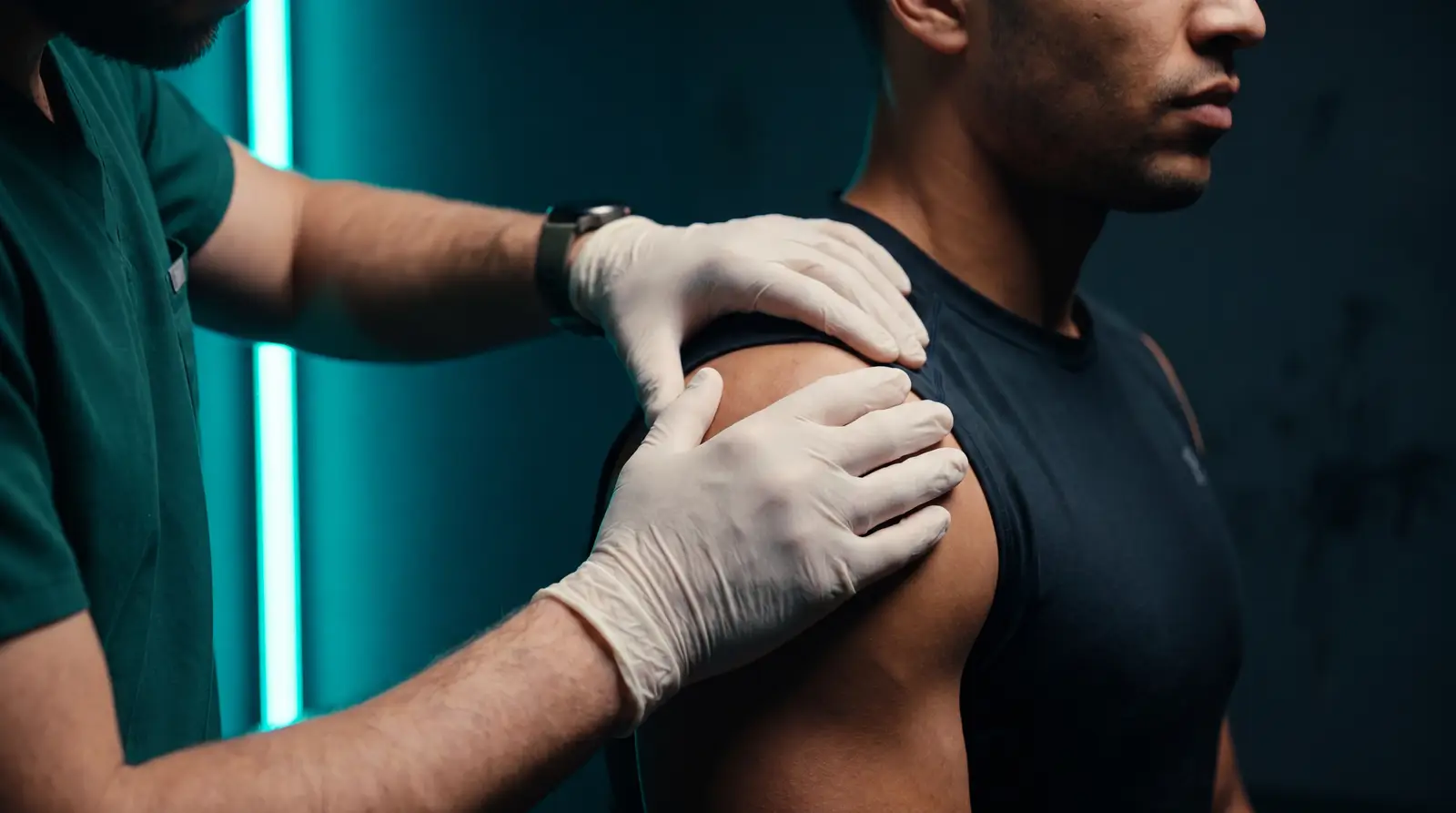
Joint care, soft-tissue work, exercise, tape, needling, or a device should address a finding and have a way to retest the response. The presence of equipment is not a reason to use it.
Progress toward the real task
Care should move from symptom management toward the strength, motion, balance, speed, endurance, or confidence required for daily life, work, recreation, or sport.
Plan for independence
Visit frequency and treatment emphasis should change as the patient gains capacity and self-management options. A plan needs an exit, progression, or reassessment point rather than indefinite repetition.
Patients can ask about all four decisions at any visit. Clear answers make it easier to report what changed, compare options, and understand why a plan is continuing or changing. When a pattern falls outside musculoskeletal care, accountability also means helping the patient reach the appropriate medical resource.
The clinic's public content follows the same approach. Condition pages separate common signs from diagnosis, service pages state evidence limits and precautions, provider pages distinguish sourced biography from clinical explanation, and location pages keep verified access details in one data source. Educational content cannot replace care, but it can make the first conversation more informed and reduce the pressure to choose a technique before anyone has examined the problem.
Trust also requires correction. Credentials, schedules, research, laws, and provider roles can change. When the clinic identifies a factual error or receives better source material, the page should be updated without preserving an older claim simply because it sounds stronger. Accuracy is part of the care experience before a patient enters the building.
Your team
The people behind the care.






Award-winning care
Recognized by the community we serve.
Best of the Seacoast four years running, Best of the Lakes Region twice, and New Hampshire Magazine's Best of NH.

- Best of the Seacoast 2019
- Best of the Seacoast 2020
- Best of the Seacoast 2021
- Best of the Seacoast 2022
- Best of the Lakes Region 2020
- Best of the Lakes Region 2021
- NH Magazine Best of NH 2016
What we believe
Four principles behind every plan.
Diagnose first
We treat the cause, not just the symptom, starting with a precise diagnosis.
Collaborate always
Our providers consult on cases together so your care reflects the whole team's expertise.
Hold the elite standard
The care we give Olympians is the care we give everyone.
Treat the whole person
Any age, any state of health. We meet you where you are and get you moving.
Ready to feel better and perform better?
Call the clinic that's closest to you or request a time online. The team can help you check plan-specific referral and insurance requirements.
Already a chiropractic patient? Schedule in the patient portal (opens in a new tab)
Portsmouth, NH · Seacoast
Alton, NH · Lakes Region