Core care
Physical Therapy
Restore movement, strength, and confidence through measured rehabilitation.
In plain language
What is physical therapy designed to change?
Physical therapy is structured rehabilitation for movement, strength, balance, pain, and function. The plan begins with the activity you cannot do comfortably or safely, then works backward to the physical limits that matter most. Those limits may involve mobility, strength, tendon capacity, coordination, endurance, or confidence after injury.
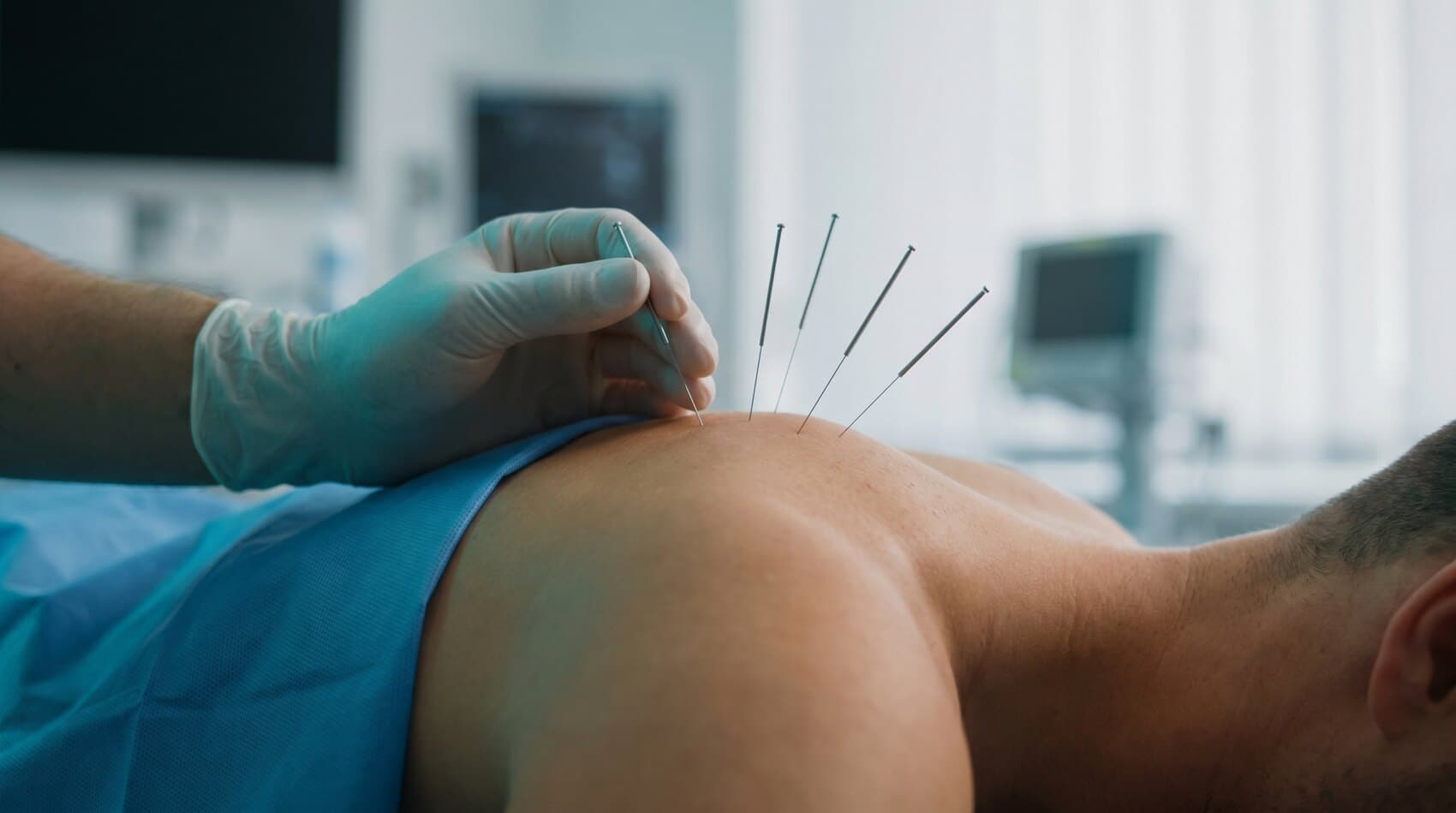
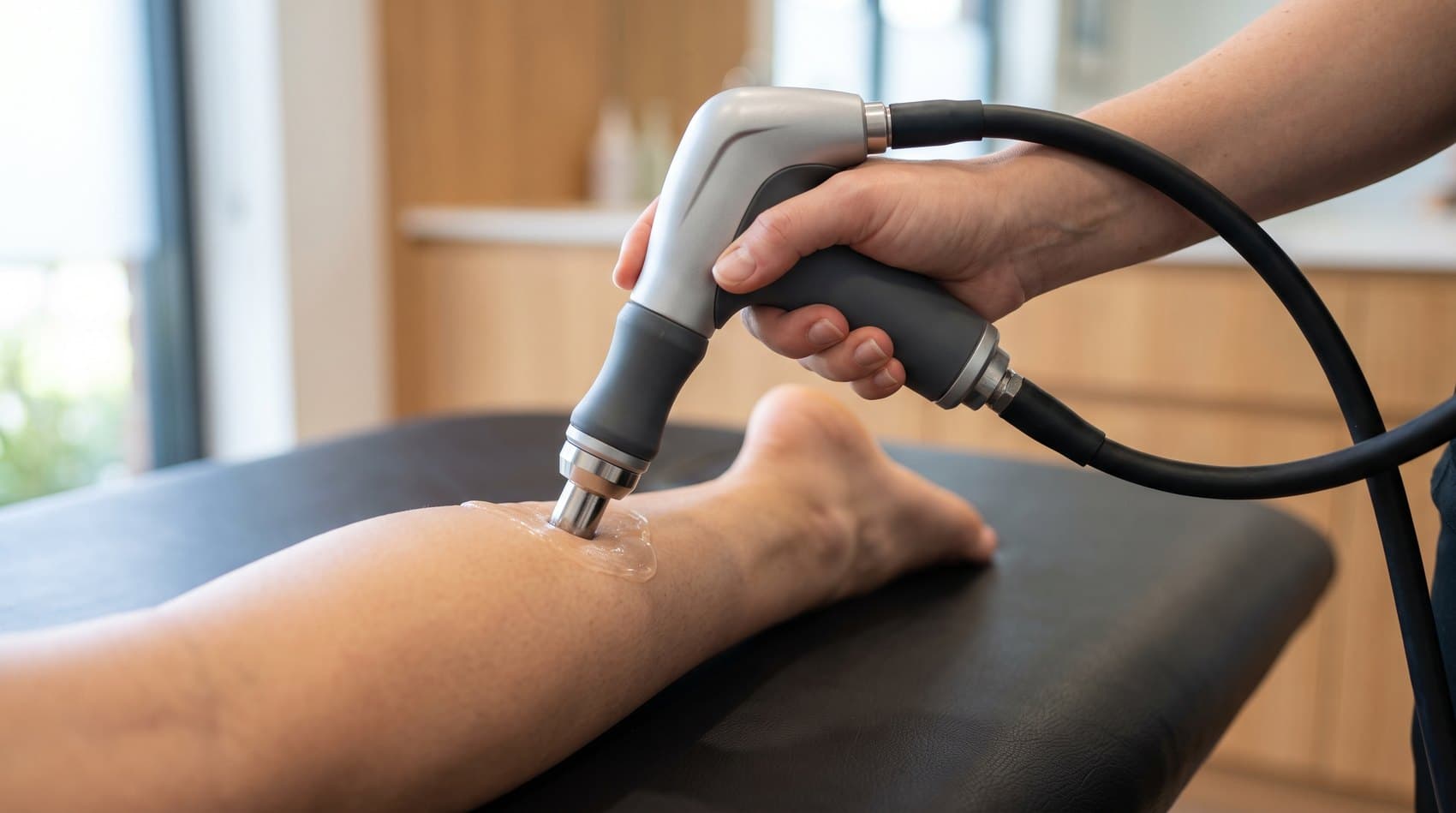
Treatment is active by design. Manual therapy, soft-tissue work, taping, or recovery technology may help settle symptoms or create a window for movement, but progressive exercise and task practice build the capacity needed outside the clinic. The exact mix changes as symptoms, healing, and goals change.

Clinical fit
What makes a rehabilitation plan specific to you?
A useful plan has a baseline. That might be walking time, shoulder range, grip strength, a step-down, a hop test, or tolerance for a work task. Testing is selected around the condition and the goal rather than performed as a generic circuit.
The therapist also considers irritability, sleep, training load, medical history, and barriers to completing the plan. When findings suggest fracture, infection, a serious neurologic problem, or another condition outside physical therapy, the next step is medical referral rather than exercise progression.
Making the choice
What separates rehabilitation from a list of exercises?
A list becomes rehabilitation when the exercises are connected to findings, dosed for the current stage, and progressed toward a real demand. Two people with knee pain may need different starting loads because one cannot tolerate stairs and the other only hurts after several running miles.
The plan also accounts for what happens between visits. A home program that cannot fit a patient's work, caregiving, equipment, or recovery time will not be effective on paper alone. The therapist should adjust the program to what can be completed consistently, then build from there.
The visit
How does physical therapy progress from evaluation to return?
Rehabilitation moves through decisions rather than a fixed number of visits. Each phase has a purpose and a way to judge readiness for the next one.
Define the target
You and the therapist identify the daily, work, or sport task that recovery needs to restore.
Measure the limit
The examination tests the systems most likely to explain that task limitation and records a starting point.
Choose the minimum useful dose
Exercise begins at a level the tissue and nervous system can tolerate, then increases in load, speed, range, or complexity.
Rehearse real demand
Later rehabilitation brings back lifting, running, cutting, throwing, balance, or sustained work in a controlled sequence.
Before you book
Questions about physical therapy
Do I need a referral for physical therapy in New Hampshire?
New Hampshire permits direct access to physical therapy. Insurance requirements can differ, so the clinic can help you check the rules attached to your plan.
Will physical therapy hurt?
Some loading can feel challenging, but treatment should not rely on pushing through unexplained or escalating pain. Your response during and after exercise guides the dose.
How long does physical therapy take?
The timeline depends on diagnosis, healing constraints, starting capacity, goals, and response. Your therapist should explain the milestones being used instead of promising a generic visit count.
This page is educational and cannot determine whether physical therapy is safe or appropriate for you. A provider reviews your history and examination findings first, and will tell you what to expect before any treatment begins.
Explore more care


Get treated with Physical Therapy.
Call the clinic that's closest to you or request a time online. The team can help you check plan-specific referral and insurance requirements.
Already a chiropractic patient? Schedule in the patient portal (opens in a new tab)
Portsmouth, NH · Seacoast
Alton, NH · Lakes Region