
Recovery tech
Cold Laser Therapy
Therapeutic light energy used alongside active rehabilitation.
In plain language
What is cold laser therapy?
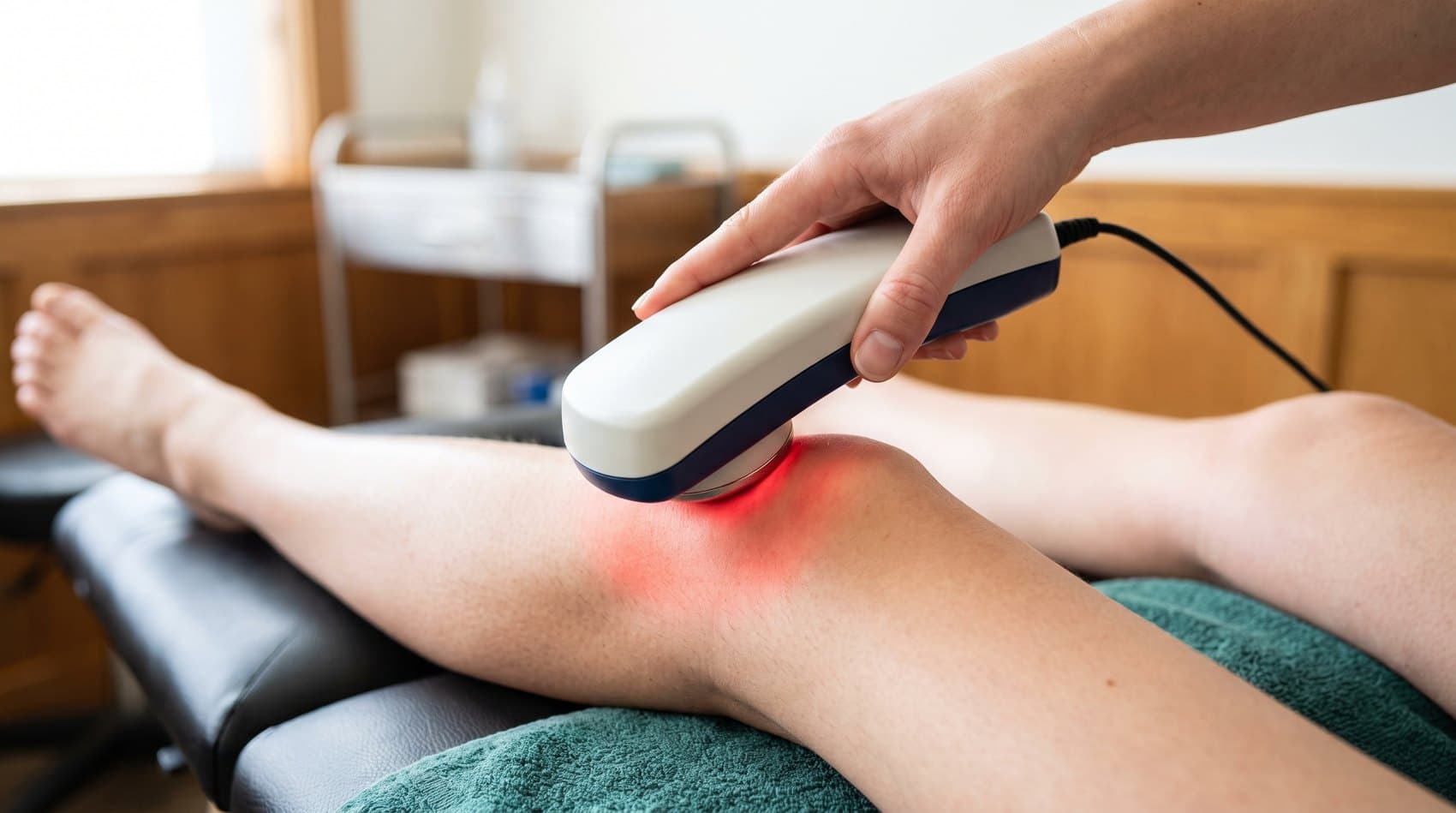
Cold laser therapy is also called phototherapy or light therapy. Channelling therapeutic light energy to reduce pain has been an accepted medical practice for many years. Your provider may use phototherapy, delivered through superluminous diode (SLD) and low level laser therapy (LLLT) diodes, for a temporary increase in local blood circulation, temporary relief of minor muscle and joint aches, pain and stiffness, relaxation of muscles, muscle spasm, and the minor pain and stiffness associated with arthritis. It may also be used for temporary relief of the hand and wrist pain associated with carpal tunnel syndrome.
The treatment does not heat tissue like a surgical laser and does not produce the sensation of an electrical stimulation unit. It also is not a cure-all. Occasionally it may be the only therapy prescribed, but more often it is used alongside other therapeutic and rehabilitative treatment.
Clinical fit
How does cold laser therapy help?
Phototherapy uses SLD and LLLT diodes to emit photons in very specific regions of the electromagnetic spectrum. That light penetrates the skin and is absorbed by elements in the mitochondria and cell membranes, where the radiant energy is converted into biological energy.
That conversion drives a cascade of clinical effects: increased local microcirculation, accelerated tissue repair, reduced pain, decreased inflammation and edema, an enhanced immune response, and angiogenesis. Phototherapy can be applied to both acute and chronic conditions, including whiplash injuries, osteoarthritis, migraine headaches, disc herniations, sprains and strains, bursitis, carpal tunnel syndrome, and plantar fasciitis.
Making the choice
How often is cold laser therapy used?
Your provider determines when phototherapy is indicated, how often it should be used, and the length of each application. The exact frequency depends on the individual patient and the condition being treated, and periodic treatment generally continues as long as the condition is present.
In acute or serious conditions treatment may be given as often as two to three times per day. In less serious cases, two to three times a week is common early in the program, with a gradual reduction in frequency as the patient improves. To get the most from phototherapy, follow your provider's recommendations and instructions as precisely and completely as possible.
The visit
What should you expect during a laser session?
The treatment is usually brief and quiet. The more important decisions happen before and after the device is applied.
Confirm the target
The provider identifies the diagnosis or working tissue target and records a symptom or function marker.
Protect the eyes
Appropriate eye protection is used according to the device and treatment location.
Apply a defined dose
The applicator is positioned over the selected area for the protocol-specific time.
Return to active care
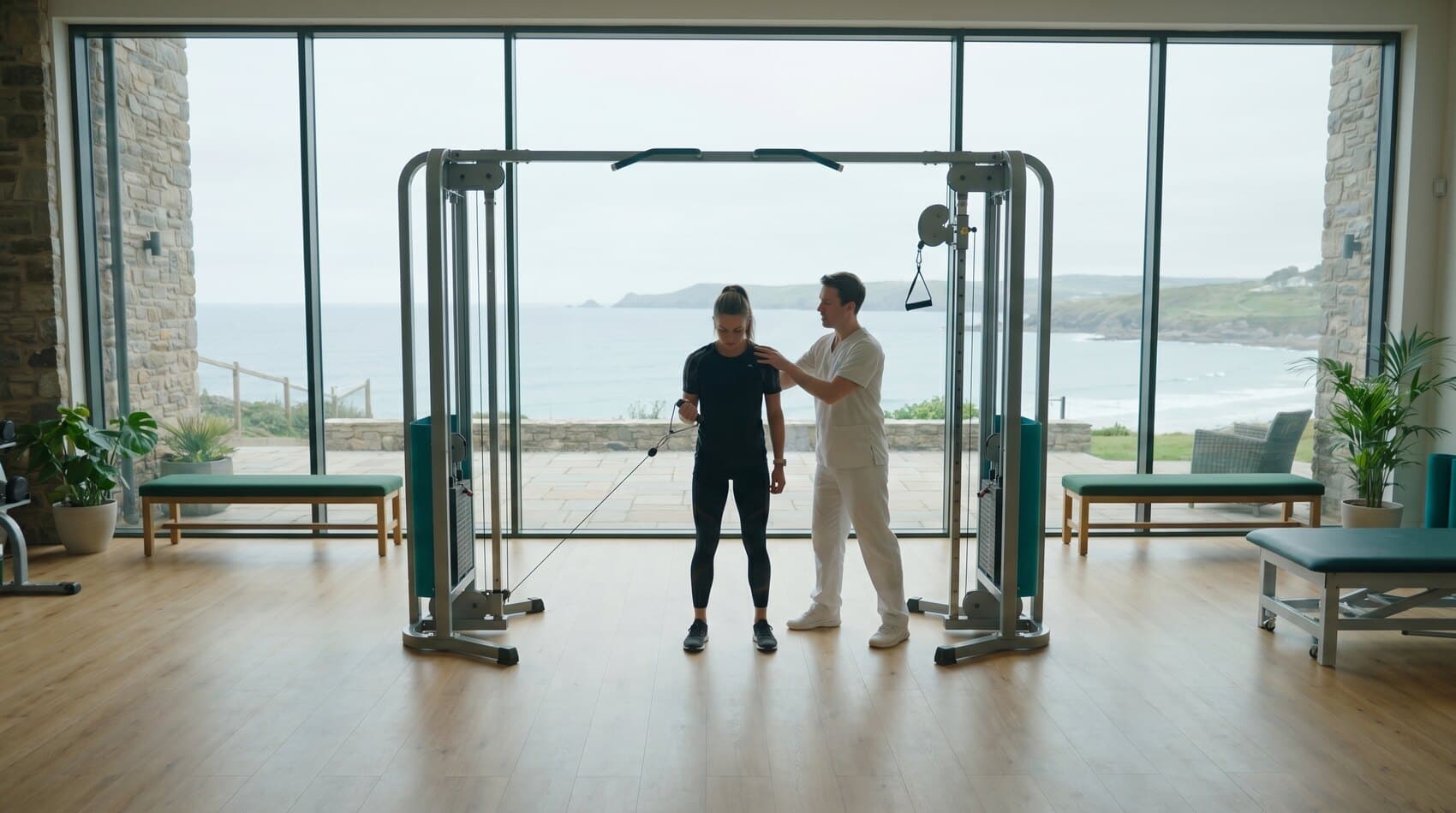
Movement is reassessed, and the visit continues with exercise or another intervention that addresses capacity.
Before you book
Questions about cold laser
Does cold laser hurt?
Most people feel little or nothing during treatment. A lack of sensation does not mean that a higher dose is needed.
Can laser replace exercise?
No. It may be used to support symptom control, but strength, mobility, and task tolerance still require active rehabilitation.
How quickly should it work?
Response varies by patient, diagnosis, and protocol, which is why the frequency and length of treatment are set by your provider and adjusted as you improve.
This page is educational and cannot determine whether cold laser is safe or appropriate for you. A provider reviews your history and examination findings first, and will tell you what to expect before any treatment begins.
Explore more care
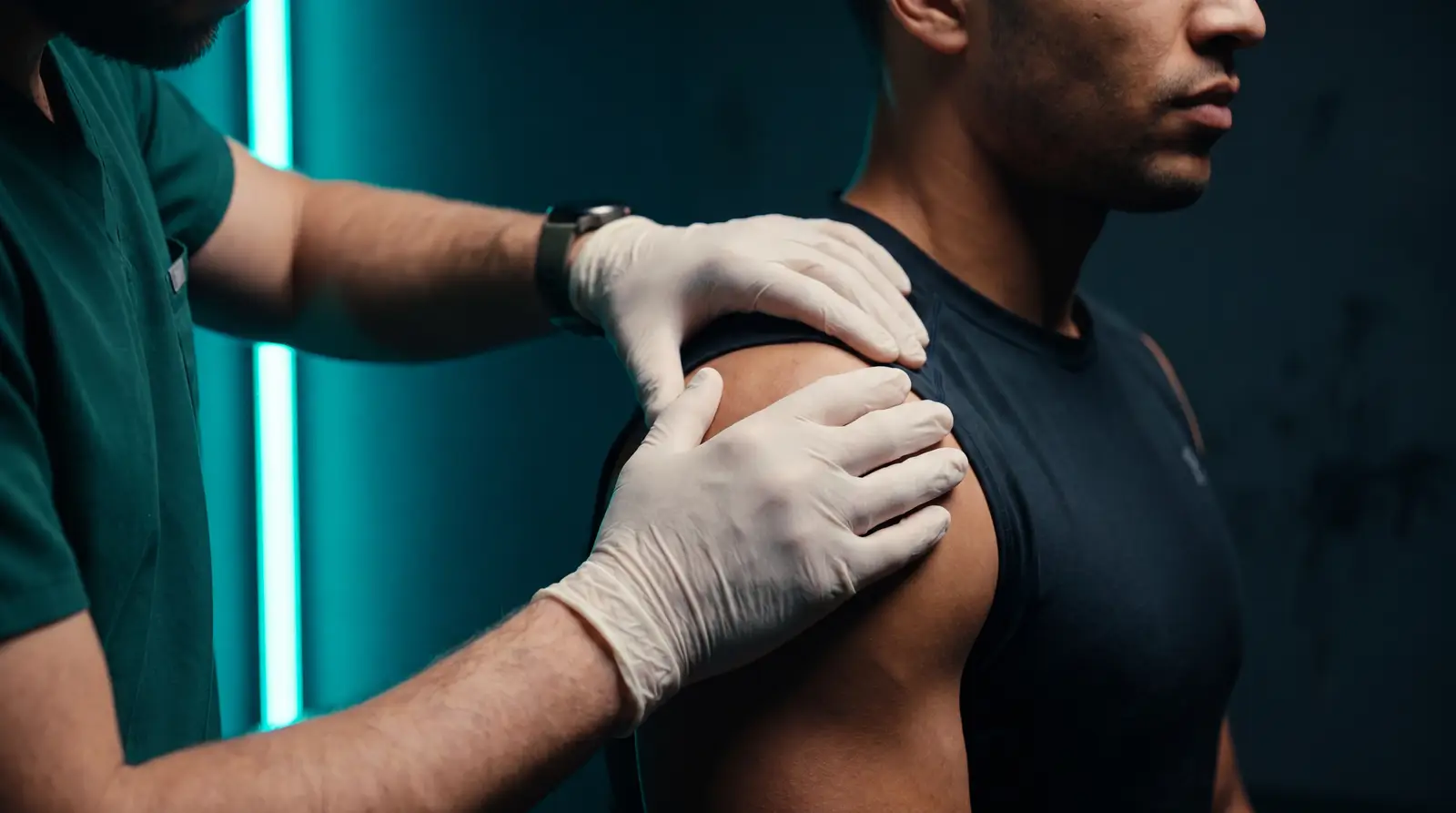
Get treated with Cold Laser.
Call the clinic that's closest to you or request a time online. The team can help you check plan-specific referral and insurance requirements.
Already a chiropractic patient? Schedule in the patient portal (opens in a new tab)
Portsmouth, NH · Seacoast
Alton, NH · Lakes Region