Start here
What is quadriceps strain?
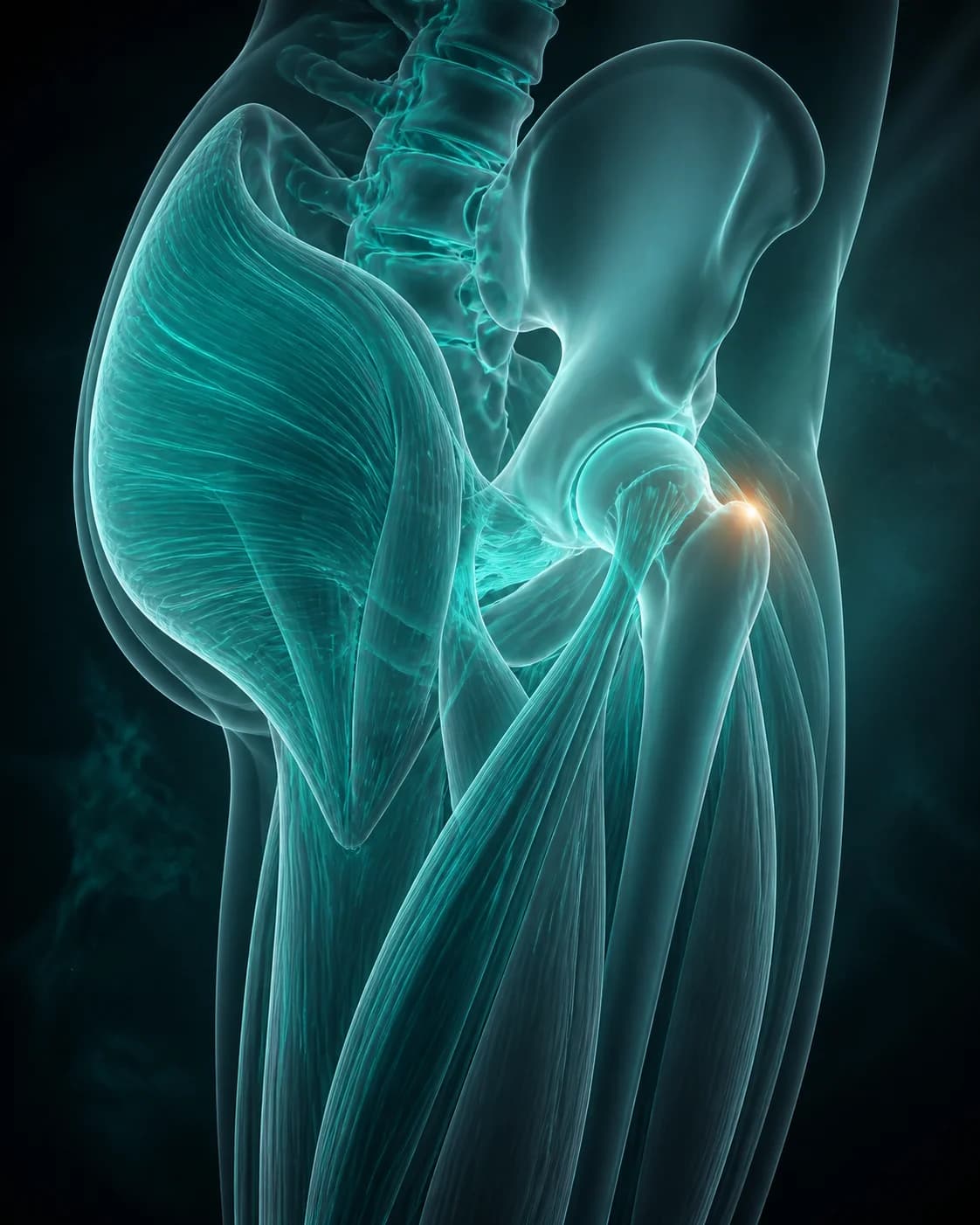
A quadriceps strain affects the front-thigh muscles during sprinting, kicking, jumping, or sudden deceleration. The rectus femoris can be stressed near the hip because it crosses both hip and knee.
The same label can behave differently from one person to the next. The timing, location, type of symptoms, injury mechanism, and response to movement help distinguish a local tissue problem from referred pain, nerve involvement, or a pattern that should be evaluated elsewhere first.
How quadriceps strain may show up
People do not need every sign below to fit this pattern. They are useful clues to discuss during an evaluation, especially when paired with what changes the symptom and what activity has become difficult.
- front-thigh pain
- pain kicking or sprinting
- pain stretching the quadriceps
- bruising after a higher-grade injury
Why it can start or persist
A contributor is not always a single cause. Tissue capacity, recovery, the size of a recent load change, and the mechanics of the task can overlap. For quadriceps strain, the history commonly examines:
- 1explosive kicking
- 2sprint or jump-volume increase
- 3forceful deceleration
How the pattern is examined
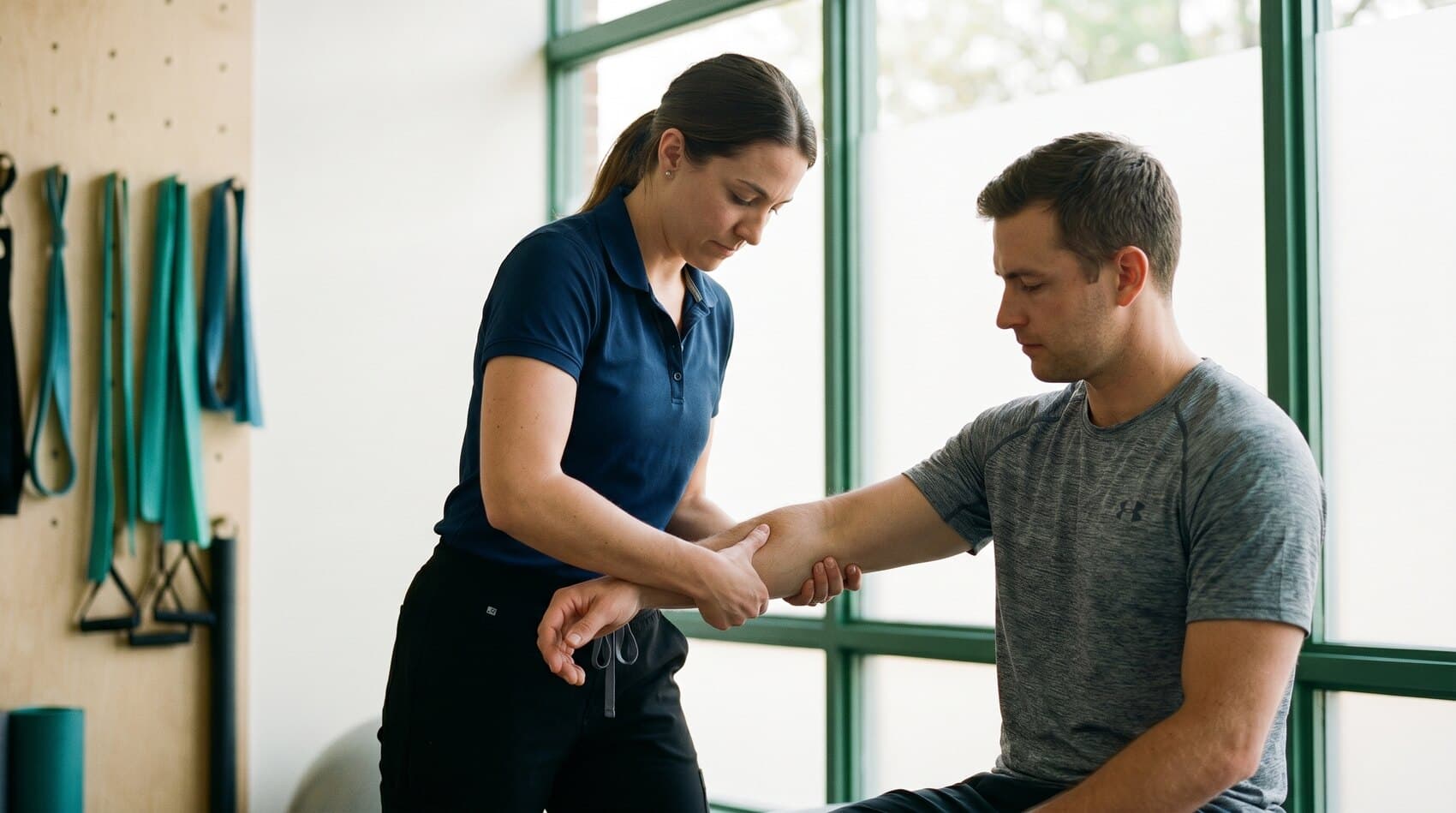
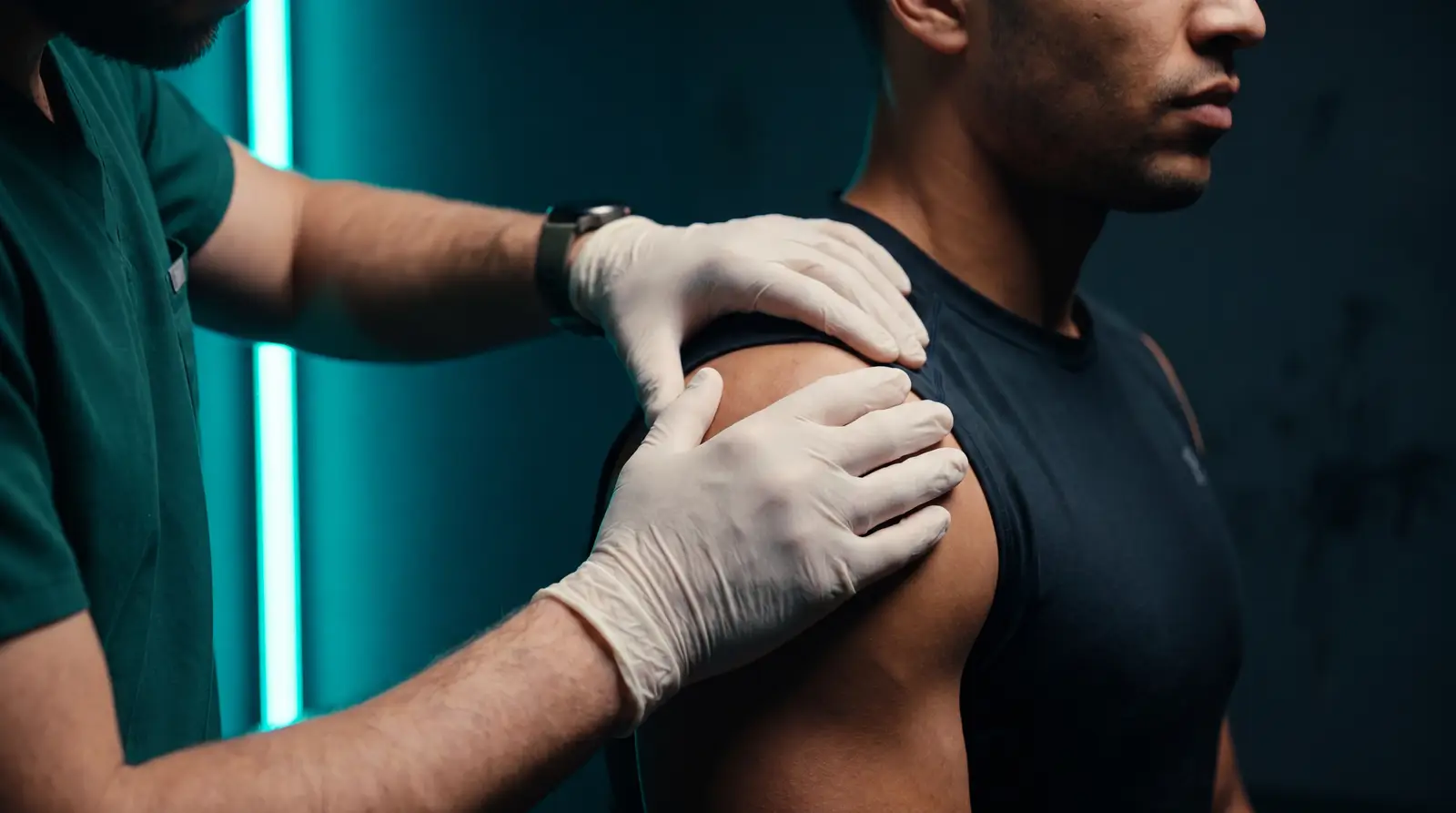
An assessment begins with the story, then tests the findings that can change a decision. For this presentation, that usually means looking at the items below and comparing them with the demands of work, daily life, or sport.
Imaging can be useful when the history or examination indicates it, but a scan is not a substitute for matching the finding to symptoms, function, and the clinical screen.

Clinically reviewed
Reviewed by Dr. Tamara Lovelace, DC, DACBSP, ICCSP, Chiropractic Sports Doctor and clinic director, on August 25, 2026.
This page explains what we look at and what care can involve. It is not a diagnosis, and it cannot replace an examination. Bring the problem in and a provider will tell you what is going on.