Seacoast Spine & Sports Injuries Clinic

Patellar Tendinopathy

Knee · Before your visit

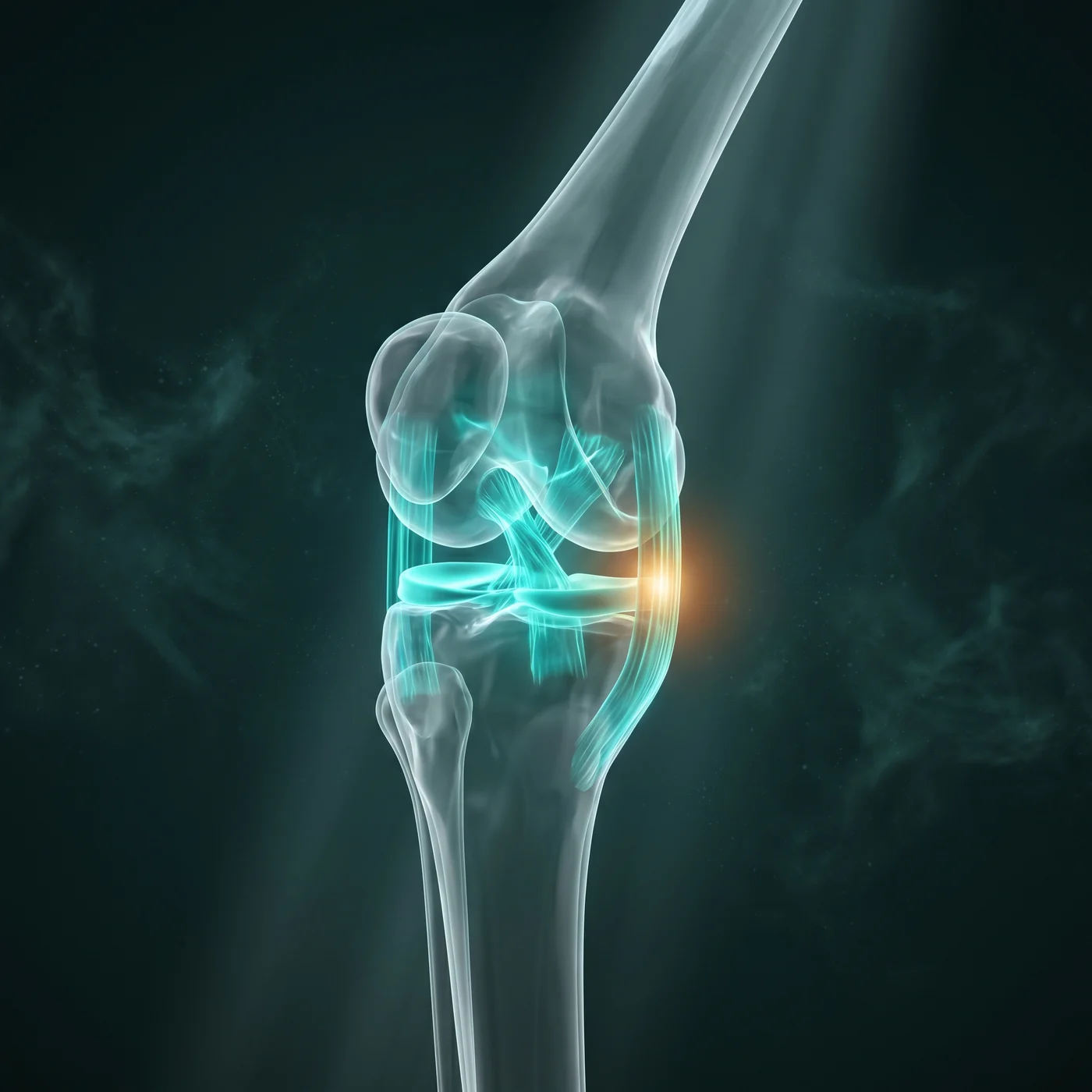
Patellar tendinopathy is load-related pain in the tendon below the kneecap.

When to seek urgent medical care

Seek prompt medical evaluation for a visibly deformed knee, inability to bear weight after trauma, rapid major swelling, a locked knee after injury, or a hot swollen joint with fever.

This is not an exhaustive emergency list. If something feels severe, rapidly worsening, or unsafe, call 911 or seek urgent medical evaluation.

Start here

What is patellar tendinopathy?

Patellar tendinopathy is load-related pain in the tendon below the kneecap. Jumping, sprinting, and heavy knee-dominant strength work often reveal a mismatch between tendon capacity and current demand.

The same label can behave differently from one person to the next. The timing, location, type of symptoms, injury mechanism, and response to movement help distinguish a local tissue problem from referred pain, nerve involvement, or a pattern that should be evaluated elsewhere first.

How patellar tendinopathy may show up

People do not need every sign below to fit this pattern. They are useful clues to discuss during an evaluation, especially when paired with what changes the symptom and what activity has become difficult.

  • pain below the kneecap
  • pain jumping or landing
  • stiffness early in activity
  • tender tendon after training

Why it can start or persist

A contributor is not always a single cause. Tissue capacity, recovery, the size of a recent load change, and the mechanics of the task can overlap. For patellar tendinopathy, the history commonly examines:

  1. 1jump-volume spike
  2. 2high-intensity loading without recovery
  3. 3reduced tendon capacity

How the pattern is examined

An assessment begins with the story, then tests the findings that can change a decision. For this presentation, that usually means looking at the items below and comparing them with the demands of work, daily life, or sport.

Clinical focussingle-leg decline squat or tendon load response
Clinical focusjump and landing volume
Clinical focusquadriceps strength

Imaging can be useful when the history or examination indicates it, but a scan is not a substitute for matching the finding to symptoms, function, and the clinical screen.

Clinically reviewed

Reviewed by Dr. Tamara Lovelace, DC, DACBSP, ICCSP, Chiropractic Sports Doctor and clinic director, on August 25, 2026.

This page explains what we look at and what care can involve. It is not a diagnosis, and it cannot replace an examination. Bring the problem in and a provider will tell you what is going on.

What to expect from care, and in what order

Care for patellar tendinopathy is built around the findings, not a preset protocol. The early goal may be symptom control or protection; the later goal is enough motion, strength, and tolerance for the exact activity you need.

01

manage high tendon load

Progress is checked against symptom response and function so the plan can change when capacity changes.

02

progress heavy and then fast strength

Progress is checked against symptom response and function so the plan can change when capacity changes.

03

restore jump and sprint exposure

Progress is checked against symptom response and function so the plan can change when capacity changes.

Common questions about patellar tendinopathy

Short answers to the decisions people usually face before an evaluation.

What is patellar tendinopathy?

Patellar tendinopathy is load-related pain in the tendon below the kneecap. Jumping, sprinting, and heavy knee-dominant strength work often reveal a mismatch between tendon capacity and current demand.

How is patellar tendinopathy assessed?

The examination is shaped by your history and the task that brings symptoms on. For this pattern, useful checkpoints include single-leg decline squat or tendon load response, jump and landing volume, quadriceps strength. The provider also screens for findings that should be evaluated medically before musculoskeletal care continues.

What can care for patellar tendinopathy include?

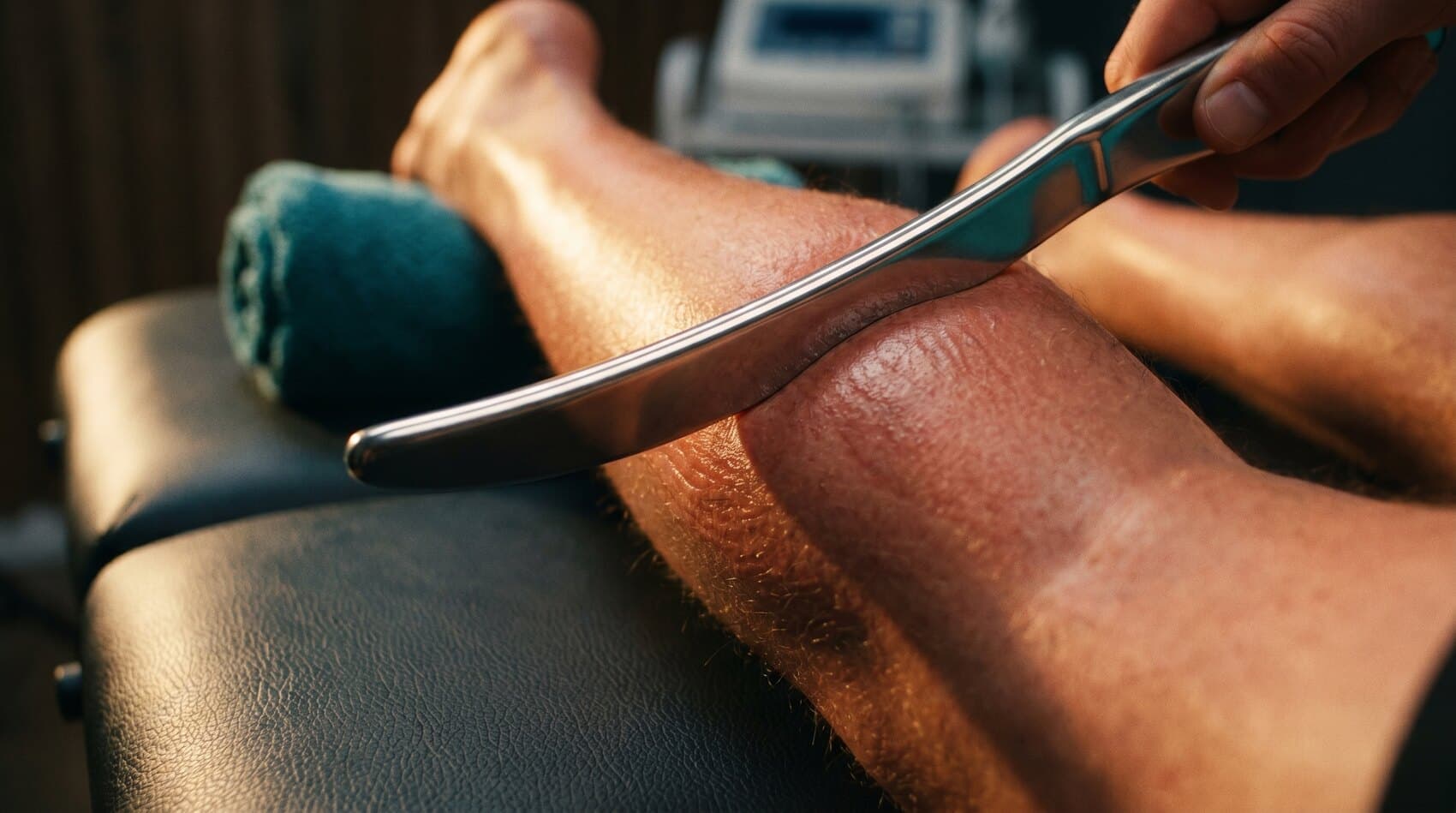
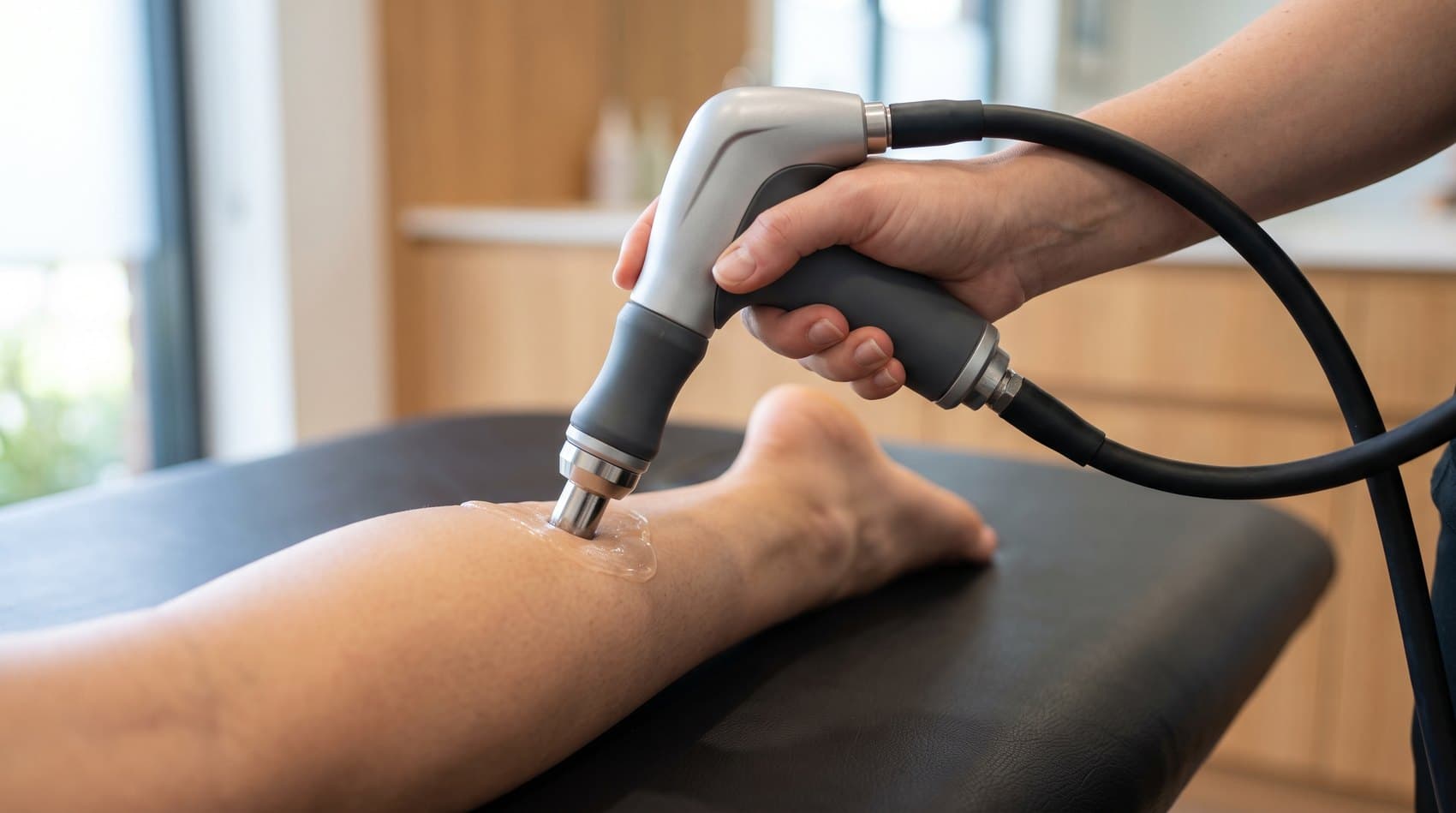
A plan may draw from Physical Therapy, Radial Pressure Wave, and Graston, but the service is not the diagnosis. Care is selected around the examination and may focus on manage high tendon load, progress heavy and then fast strength, restore jump and sprint exposure. The dose and sequence change with irritability, healing stage, and the activity you need to regain.

Can I stay active with patellar tendinopathy?

Often, some activity can continue after the provoking dose is adjusted, but that decision depends on the tissue, severity, and warning signs. The goal is to protect what needs healing while preserving safe strength and conditioning, then rebuild the specific work, daily-life, or sport demand.

When does patellar tendinopathy need urgent medical care?

Seek prompt medical evaluation for a visibly deformed knee, inability to bear weight after trauma, rapid major swelling, a locked knee after injury, or a hot swollen joint with fever.

Related knee guides

Symptoms often overlap. These pages can help you compare nearby tissues, referred pain, and different loading patterns.

Browse knee

Get clarity on patellar tendinopathy.

Book at the Portsmouth or Alton clinic. The first step is a focused assessment that separates what hurts from what is driving it.

Portsmouth Clinic

Portsmouth, NH · Seacoast

Mon to Thu: 9:00 AM to 6:00 PMFriday: 9:00 AM to 5:00 PM
(603) 431-4200
Lakes Region Clinic

Alton, NH · Lakes Region

Mon, Wed, Fri: 9:00 AM to 7:00 PMTue & Thu: 9:00 AM to 6:30 PMSaturday: 8:00 AM to 12:00 PM
(603) 875-4000
Book Call